The Story Behind StudentHub UK
How it started
It began when a friend told me about someone who was struggling to manage his daily work. He had an idea for a solution and was searching for a developer who could turn that idea into a full stack application.
He was handling all his tasks in Excel sheets, and as his work kept growing, it became harder for him to track things. There were inconsistencies, missing updates, and even payment records were getting mixed up. He often felt confused about what work was done and what was still pending.
When I heard the problem and the idea, I felt this was a chance to use my skills to solve a real pain point and make someone's life easier. I told him to give me one day so I could design a database schema and a high level design. I planned to discuss it with the client and understand what more he wanted.
We got on a call, went through the design, discussed everything in detail, and finalized the requirements.
What I built
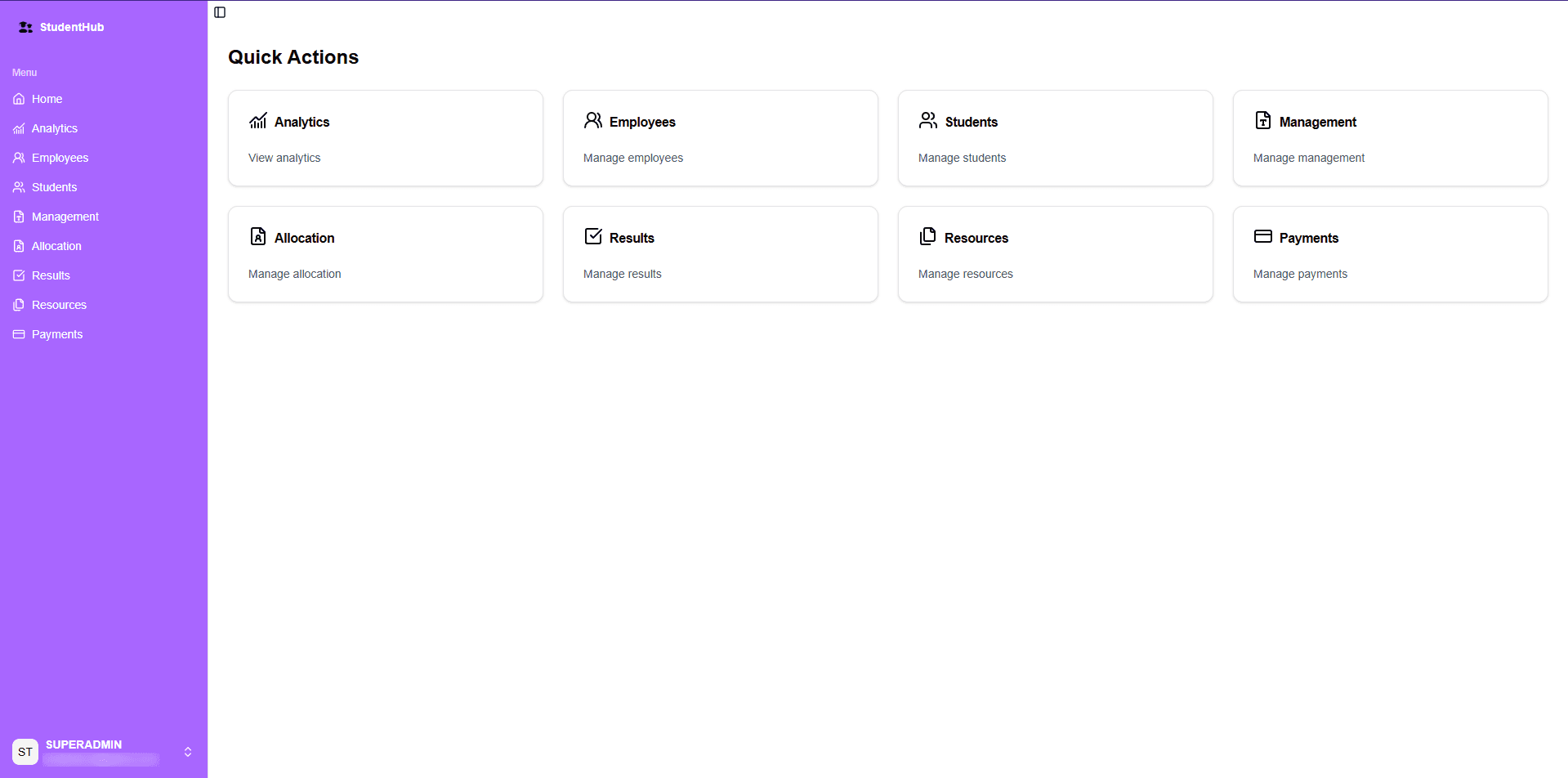
I built a simple dashboard style application that became his one place for everything. It worked like a digital and interactive version of the Excel sheets he used every day.
With this dashboard, he could manage:
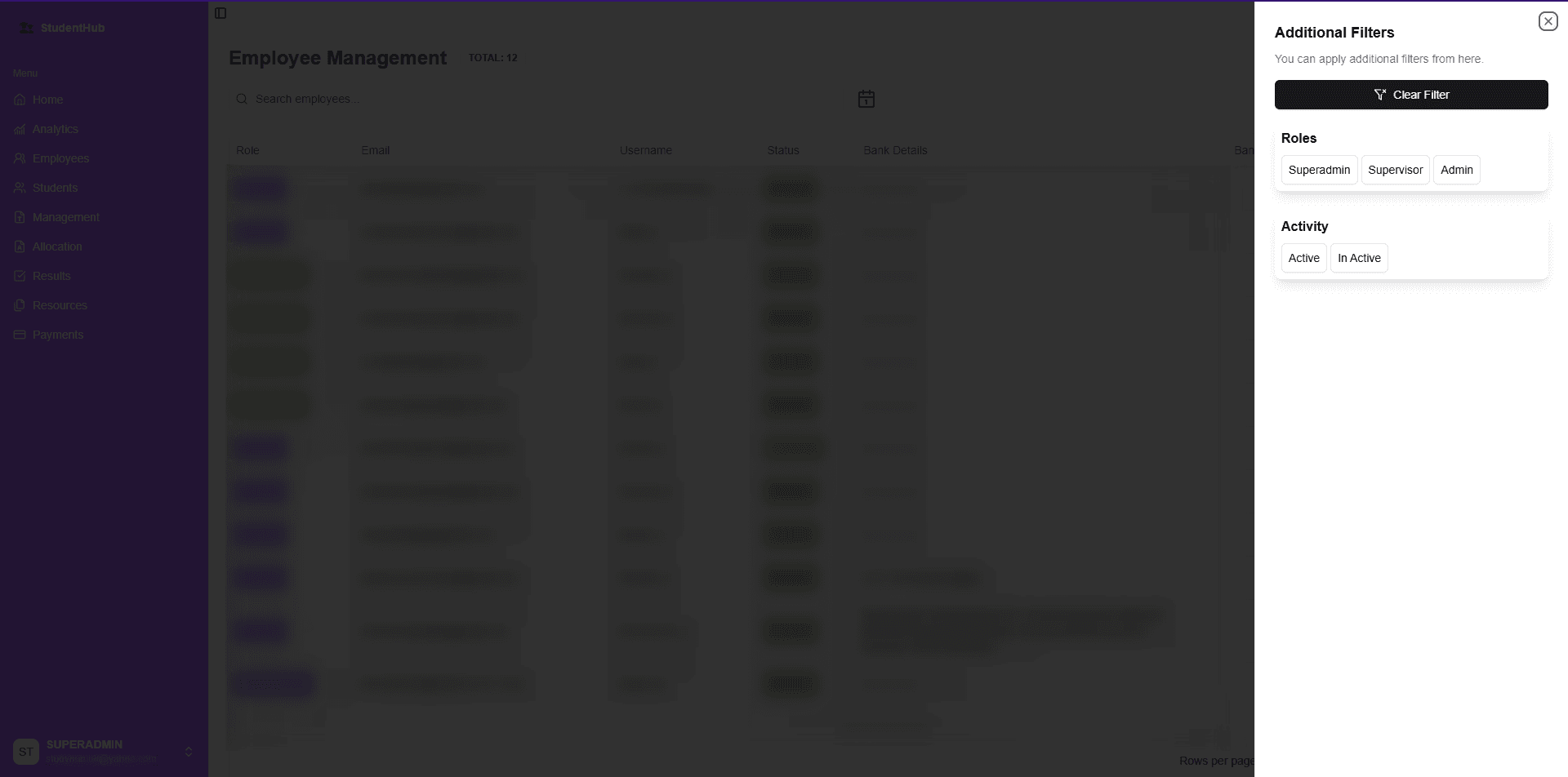
- All his employees
- Their daily tasks
- Payments and pending dues
- Work progress
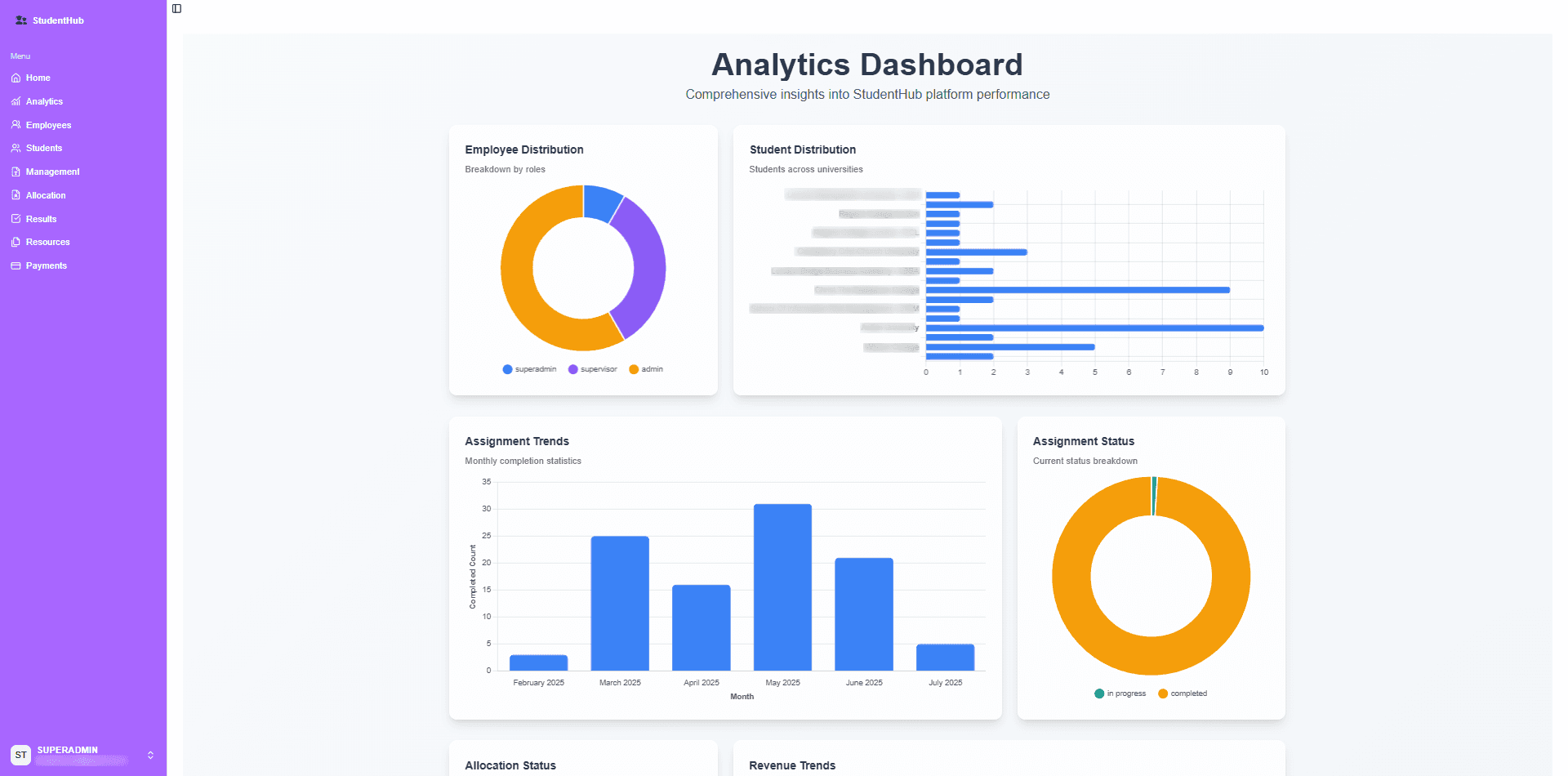
- Basic analytics for quick checks
Everything that was earlier scattered across different sheets was now in one clean place.
I started by setting up the database, then built the backend APIs, and finally moved to the frontend to bring the whole dashboard to life.
Challenges
Supabase was new to me, so the first challenge was getting used to its workflow. Since it is built on Postgres, I had to learn how Supabase handled things like row level permissions, SQL policies, and schema updates. It took some time, but it became a smooth experience once I understood the basics.
The biggest challenge came when a new feature request appeared in the middle of development. I had already completed most of the project, but this new requirement needed a change in the database schema. I had to update the data type of an existing column and adjust related tables without breaking the rest of the system. Anyone who has worked with Postgres knows that changing a column in a live schema needs careful handling, so I double checked every migration before applying it.
There were also some lighter moments. At one point, I thought my entire layout was broken because the CSS was refusing to update. After trying different fixes, I discovered it was only a cache issue. A quick refresh solved everything.
These challenges, both serious and funny, made the project more interesting and taught me how to manage real world changes in a Postgres and Supabase environment.
What I learned
This was my first freelance project, so I was a bit nervous in the beginning. I wanted to do a good job and make sure the client felt confident with the work.
By the end of the project, seeing the client happy made me feel proud and grateful. It felt good to know that the skills I have learned are actually helping someone make their daily life easier.
There is a special kind of happiness when you build something that creates a positive impact for someone. The best part is that they are using the application every day, which makes the whole journey worth it.
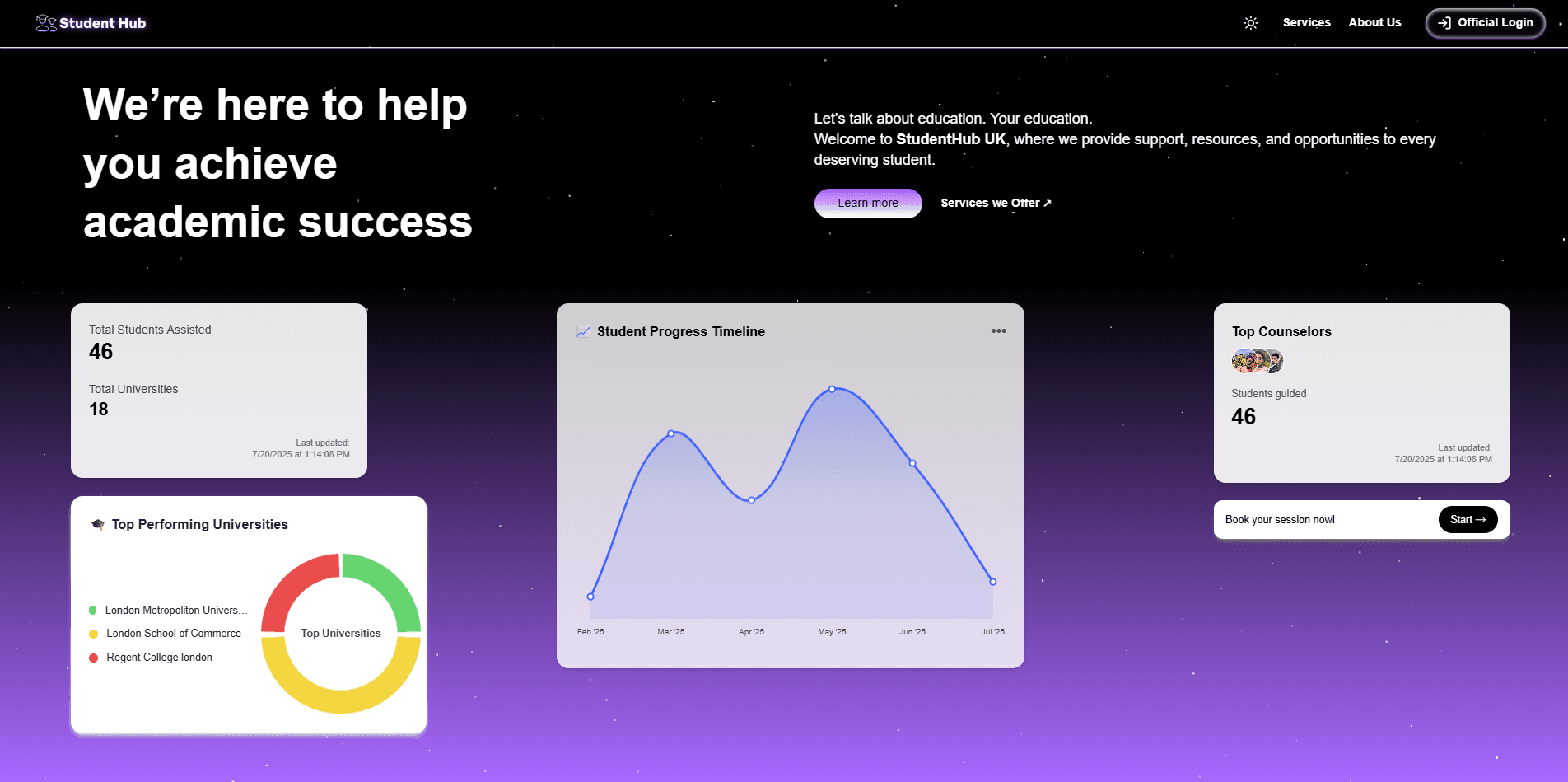
Screenshots